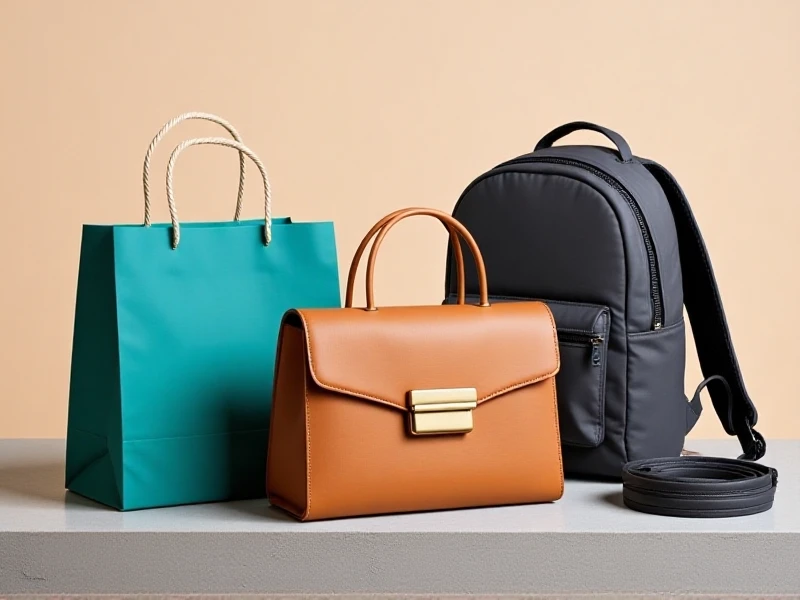
Essential Backpack Guide: Why a Quality Pack is Your Travel Essential
Here is an SEO-optimized article focusing on the keyword "Backpack":
Choosing the right backpack is far more critical than many people realize. It's not just a bag; it's your mobile storage unit, your organization system, and the foundation for comfortable carrying, whether navigating bustling city streets, conquering mountain trails, or simply managing your daily commute. The perfect backpack seamlessly blends functionality, comfort, and durability.
So, what truly defines a superior backpack? First and foremost, it must be durable. High-denier nylon or polyester fabrics resist tears and abrasion, ensuring your pack withstands the rigors of use for years. Reinforced stitching at stress points, like the shoulder straps and bottom panel, is non-negotiable for long-term reliability. Look for reputable brands known for quality construction and materials when seeking a truly durable backpack.
Comfort is equally paramount. A well-designed backpack distributes weight effectively across your back and hips. Padded, contoured shoulder straps prevent digging, while a breathable back panel minimizes sweat buildup. For heavier loads or extended wear, a padded hip belt transfers significant weight off your shoulders, drastically reducing fatigue. Adjustable sternum straps add stability, especially during active movement.
Organization is key to maximizing your backpack's potential. Multiple compartments, both large and small, are essential. A dedicated padded laptop sleeve protects your tech, while smaller pockets keep essentials like keys, headphones, water bottles, and snacks easily accessible. Internal organizer panels or mesh pockets further help separate smaller items. Consider your primary use – does the backpack have dedicated spaces for hiking gear, camera equipment, or textbooks?
Weather resistance shouldn't be overlooked. While a dedicated rain cover is ideal for prolonged exposure, many quality backpack options feature water-resistant coatings or fabrics like treated nylon. Taped seams are a significant plus, preventing water from seeping in through stitching. Remember, even commuting can involve unexpected showers!
Finally, consider the backpack's size and volume. A 20-30L pack is often perfect for everyday carry (EDC) or short hikes, fitting a laptop, lunch, jacket, and essentials. Daypacks typically range from 30-50L, suitable for longer excursions. Multi-day trekking requires larger expedition packs. Always consider what you regularly need to carry – an oversized backpack encourages overpacking and discomfort.
Taking care of your backpack ensures it serves you well. Empty it regularly, spot clean stains promptly, and avoid machine washing unless explicitly stated. Air drying is best. Check zippers and buckles occasionally, and restuff it loosely when storing to maintain shape.
Ultimately, the best backpack is the one that fits your body, suits your activities, and carries your essentials effortlessly and comfortably. Don't underestimate the difference a well-chosen, quality backpack makes in your daily life and adventures. Invest wisely in your journeys.